
We will get back to you as soon as possible.
Please try again later.
Catch the Moments That Matter Again. It All Starts With a Hearing Test
Understand what’s causing your hearing loss
Contact Us
Get Back in the Conversation
If you're like many people who come to us for a hearing assessment, you've been noticing that things don't sound quite the way they used to—but you've adapted.
Maybe you've started turning up the TV a little louder. You lean in during conversations, choose the seat where you can see everyone's face, or find yourself avoiding busy restaurants because following conversations has become exhausting. These small adjustments happen so gradually that many people don't realize how much hearing has changed until it begins affecting their ability to move through conversations with ease.
The thought of booking a hearing assessment—or learning you may benefit from hearing aids—can feel overwhelming. But there is hope. Hope that conversations become effortless again. Hope that dinners with family are enjoyable instead of exhausting. Hope that you can reconnect with the people, places, and moments you love.
The average person waits seven years from first noticing symptoms before seeking help. That's seven years of working harder than everyone around you just to follow a conversation, missing parts of life's important moments, and slowly adapting to a quieter world.
It doesn't have to be that way. The sooner you understand your hearing, the sooner you can take steps to stay connected, maintain your independence, and continue living life with confidence.
What’s actually happening to your hearing
Hearing loss generally falls into a few different categories, depending on where in the ear the problem originates. A comprehensive hearing test will identify what type of hearing loss you may have.
What’s Actually Happening to Your Hearing
Hearing loss generally falls into a few different categories, depending on where in the ear the problem originates. A comprehensive hearing test will identify what type of hearing loss you may have.
Conductive hearing loss happens when sound can't travel efficiently through the outer or middle ear often due to a blockage or structural issue. This type is frequently temporary and often treatable.
Sensorineural hearing loss is the most common type, particularly as we age. It occurs when there is damage to the tiny hair cells in the inner ear, or to the nerve pathways that carry sound to the brain. While it's usually permanent, it is very manageable with hearing aids.
Mixed hearing loss is simply a combination of both and is more common than many people realise.
It's also worth knowing that tinnitus is a ringing, buzzing, or humming sound in the ears and often accompanies hearing loss. It's not a cause on its own, but it can be an early sign that your hearing deserves a closer look. There are many treatment options for tinnitus.
What Causes Hearing Loss?
There are many different reasons why hearing ability changes over time, and the good news is that most causes are well understood and very treatable.
Age-Related Hearing Loss (Presbycusis)
The main cause of presbycusis is the natural aging process, which leads to the gradual breakdown of delicate structures in the inner ear, particularly the loss of tiny sensory hair cells in the cochlea that cannot regenerate.
Noise Exposure
Years of exposure to loud noise, whether from work, machinery, concerts, or even earphones, can permanently damage the inner ear over time. Many people only realise the impact decades later.
Earwax Buildup
One of the most common and easily overlooked causes of hearing loss is a buildup of earwax that can partially or fully block the ear canal, muffling sound. The good news is that this is usually very straightforward to treat in our clinic.
Medications
Certain medications are ototoxic, including some strong antibiotics, chemotherapy drugs, and high doses of aspirin which can affect hearing as a side effect. This is known as ototoxicity. If you've noticed changes in your hearing after starting a new medication, it's worth getting your hearing checked.
Tinnitus
Many people with hearing loss also experience tinnitus, which is a ringing, buzzing, or humming sound in the ears. While tinnitus isn't a cause of hearing loss itself, it's often a sign that something in the auditory system deserves attention. It's very common, and there are effective ways to manage it.
What’s actually happening to your hearing
Hearing loss generally falls into a few different categories, depending on where in the ear the problem originates. A comprehensive hearing test will identify what type of hearing loss you may have.
When Should I Get My Hearing Tested?
Many people put off getting their hearing checked for years because the changes happen so gradually that they're easy to dismiss. But the sooner hearing loss is identified, the easier it is to manage.
It might be time to book a hearing test if you:
- Often ask people to repeat themselves
- Find it hard to follow conversations in noisy places like restaurants or family gatherings
- Need the TV or radio louder than others in the room
- Struggle to hear clearly on the phone
- Notice a ringing, buzzing, or humming sound in your ears
- Feel tired or drained after conversations from the effort of listening
- Find yourself avoiding social situations because of difficulty hearing
It's also worth getting a hearing screening if a family member or close friend has mentioned concerns about your hearing. Sometimes the people around us notice the changes before we do.
As a general guide, adults over 60 are encouraged to have their hearing checked every one to two years, even if they haven't noticed any obvious changes. Like any health check, early detection is vital to your hearing health.
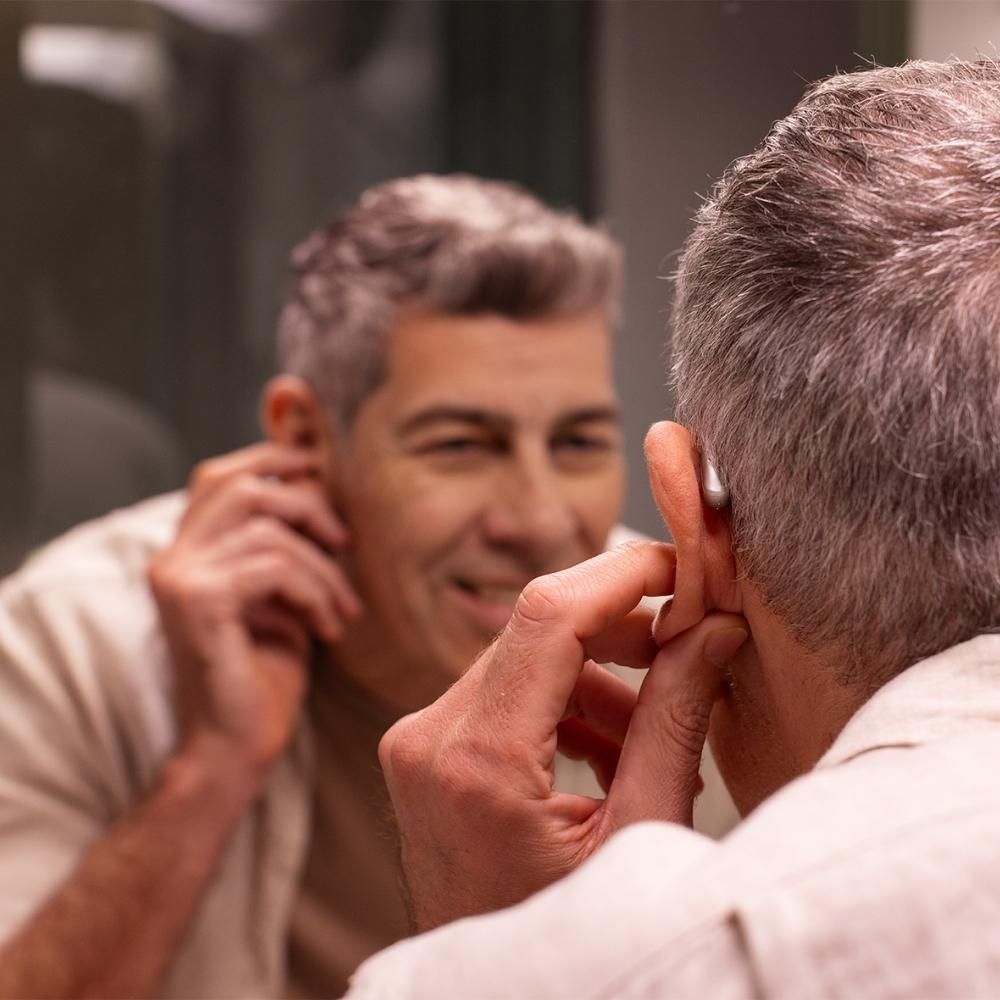
Reduce the Cognitive Load on Your Brain
Not treating hearing loss can increase your risk of dementia.
The Framingham Heart Study, research out of Johns Hopkins, and large-scale Danish studies have all found that people with untreated hearing loss are significantly more likely to develop dementia than those who address it, and the risk increases with the degree of loss.
When your brain is constantly working to fill in the gaps of what you're missing, it draws resources away from other functions. Social withdrawal, which so often follows untreated hearing loss, compounds that strain further.
The important thing to know is that hearing loss is one of the few modifiable risk factors for dementia. Research suggests that treating hearing loss even later in life meaningfully reduces that risk. You can't change your age or your genetics, but you can play an active role in caring for your hearing and overall health.
Here for the Family Too
Sometimes the person who notices the hearing loss isn't the one with the hearing loss.
If you're here because you're worried about a parent, a spouse, or someone you love, you're in the right place. We understand that getting someone to take that first step isn't always easy.
Seven years is the average time between when hearing loss starts and when someone does something about it. That's seven years of turned-up televisions, missed punchlines, and conversations that stopped happening.
We're happy to talk with you before your family member ever sets foot in the clinic. We can walk you through what to expect, answer your questions, and help you figure out the best way to have that conversation at home.
You don't have to navigate this alone and neither do they.

Frequently Asked Questions
Is hearing loss just a normal part of getting older?
Age-related hearing loss is very common, but it is not considered normal hearing even if you’re older. The good news is that most hearing loss is very manageable with the right support, and the earlier it's addressed, the better the outcomes tend to be.
Can hearing loss be treated?
In many cases, yes. The right treatment depends on the type and cause of your hearing loss. Some causes, like earwax buildup, are straightforward to resolve. Others, like age-related or noise-induced hearing loss, are best managed with hearing aids or other support. Regular hearing tests are the first step to understanding your options.
What does a hearing test involve?
A hearing assessment goes well beyond checking whether you can hear certain sounds. We start by talking through your hearing concerns, communication challenges, and lifestyle goals. From there, we complete a full diagnostic assessment: a review of your hearing history, a visual ear exam, tympanometry, and detailed hearing testing. We go over your results together in plain language and talk through your options. You'll leave with a clear picture of your hearing, not just a test result, and the confidence to make your next decision.
I have ringing in my ears. Should I get checked?
Yes. Tinnitus or ringing, buzzing, or humming in the ears is often an early sign that your hearing deserves attention. It's very common and very manageable, but it's worth having a proper hearing assessment if you’re experiencing it.
How do I know if I need a hearing test?
If you've noticed any changes in your hearing or someone close to you has that's reason enough to book one. There's no threshold you need to reach first. A hearing test is simply a good place to start.
Take the First Step Toward Better Hearing
Understanding your hearing is one of the most valuable things you can do for your long-term health, your relationships, and your quality of life. A comprehensive hearing assessment gives you answers, helps you understand what is changing, and provides clarity about your options—whatever the outcome.
You don't have to wait until hearing becomes a barrier to the conversations, experiences, and connections that matter most. Taking the first step is simply about understanding your hearing and making informed decisions about your future.
Book your hearing assessment today and begin your journey toward staying connected, confident, and engaged in the moments that matter most.